
ADVERTISEMENT
ADVERTISEMENT
DuckDuckGo is built around privacy-by-design, which appeals to high-value buyers in fintech, cybersecurity, and enterprise compliance. It emphasizes stopping collection instead of managing it later.
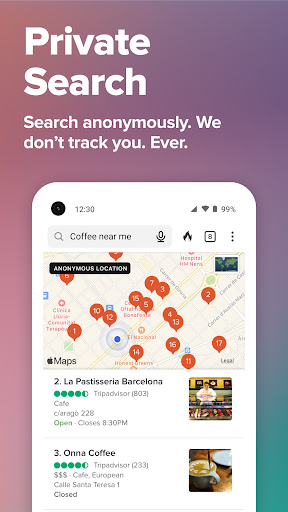
With built-in search that never tracks searches, DuckDuckGo competes directly with mainstream ad-driven browsers. That positioning resonates with advertisers that value consent and brand safety.
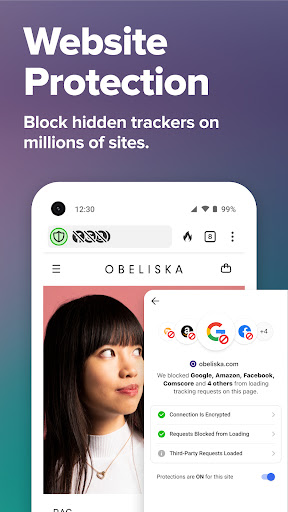
Trackers are blocked before they load through third-party tracker loading protection. This can matter to privacy-conscious teams in SaaS, e-commerce, and digital banking where click fraud and profiling risk exist.
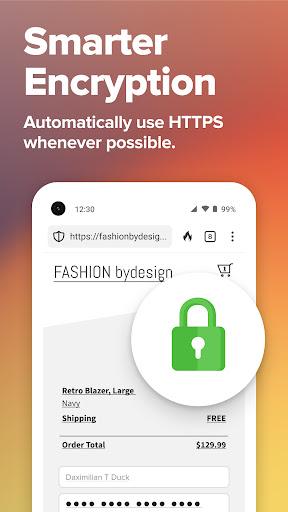
Its encrypted browsing enforcement helps reduce snooping on networks and Wi‑Fi. For remote-work finance and healthcare workflows, reducing interception risk is a practical security requirement.
Chat privately with AI through Duck.ai, using anonymized processing and not training from your data. That matters for enterprise research, HR analytics, and legal review scenarios.
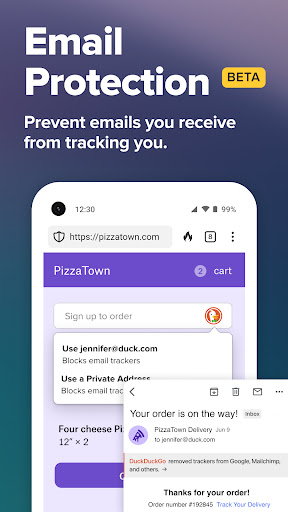
Optional Email Protection helps hide an existing address with @duck.com addresses and blocks email trackers. This is relevant to subscription marketers, payment operations, and account security programs.
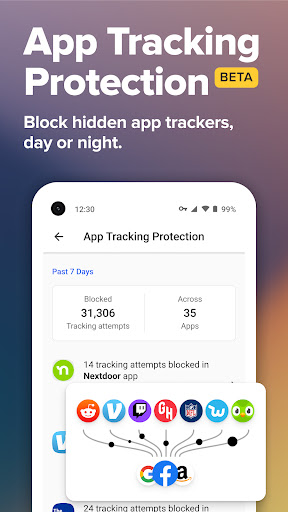
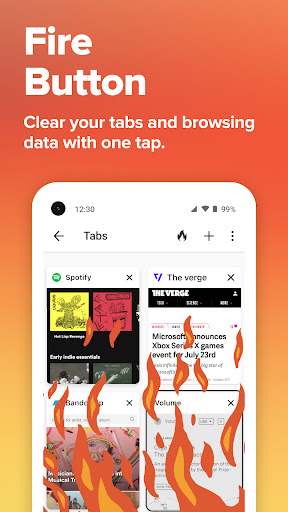
Beyond the essentials, it includes escape from fingerprinting and app tracking protection for third-party trackers across other apps. It also offers a Fire Button to clear tabs and browsing data fast.
Optional secure sync and backups support encrypted bookmarks and passwords across devices. That feature fits high-value subscription users who need consistent login and safer recovery.
DuckDuckGo also focuses on cookie pop-up reduction by auto-setting preferences to minimize cookies. This aligns with privacy programs and consent-management strategies used by SaaS operators.
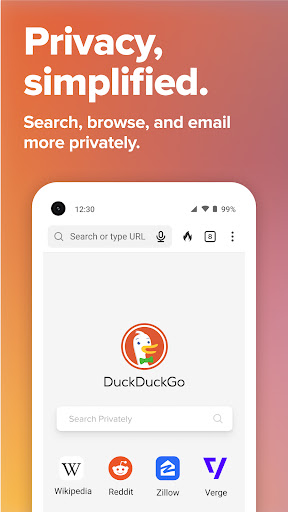
Many users praise DuckDuckGo for feeling simpler than traditional browsers. They like that privacy controls are not hidden behind confusing menus.
A common theme is “privacy without sacrifice.” Reviewers often mention smoother searching, fewer intrusive ads, and less distraction during shopping, banking, and account management.
AI conversations via Duck.ai are frequently described as practical for everyday tasks. Users appreciate that it is positioned as private and not used to train AI.
Some reviewers highlight tracker protection as a noticeable improvement. They report fewer third-party scripts running and fewer surprise redirects from ad ecosystems.
In subscriptions and payments contexts, users mention feeling safer when searching for pricing, billing terms, and support pages. They value reduced profiling that can influence recommendations.
There are also users who want more clarity about feature behavior. They sometimes ask how protection interacts with specific sites, especially for login portals and enterprise dashboards.
Overall sentiment tends to be positive among security-minded people. It attracts high-intent audiences such as professionals evaluating privacy tools for teams, compliance, and regulated browsing.
DuckDuckGo continues refining protection layers and browser behavior to reduce tracking signals. This update direction fits advertisers who prefer predictable, consent-focused experiences.
Duck.ai enhancements are positioned around private, anonymized chat workflows. For high-value users, improvements in AI responsiveness and privacy messaging can influence adoption.
Additional tuning often targets intrusive ad behavior and cookie prompts. That supports a cleaner path to subscription checkout pages and reduces friction on high-CPC marketing journeys.
Sync and backup options are presented as optional and security-focused. Users managing password and bookmark recovery across devices generally welcome incremental stability improvements.
DuckDuckGo browser and related features are designed for modern mobile and desktop environments. Availability and system specifics can vary by platform and app store.
In practice, you should confirm your operating system version meets the app’s listing requirements. This matters for enterprise device fleets and standardized endpoint management.
If you use secure sync, you should also ensure your device can maintain encrypted storage. That supports consistent access to saved passwords and bookmarks across computers.
DuckDuckGo typically requests permissions needed for core browser functions and optional protections. You may see requests related to networking, storage, and browsing security behaviors.
For features like Email Protection, some permissions may be required to manage address routing and tracker blocking. For enterprise users, this is relevant to identity and account security workflows.
App Tracking Protection may rely on a VPN connection that does not act as a traditional VPN. It is described as working locally and not collecting personal data.
If you enable AI features, Duck.ai usage may require network access and integration with third-party models. Users often expect no training on their data, aligning with privacy-first expectations.
For subscriptions, payment is handled through your Google Account until you cancel. You may provide an email address for activation on other devices, used only to verify your subscription.

DuckDuckGo’s Ultimate Guide: 7 Hidden Features to Protect Your Privacy Like a Pro

The Future of Digital Privacy: How DuckDuckGo Is Shaping the Post-Cookie Internet

From Garage Project to Privacy Icon: The Untold Story Behind DuckDuckGo’s 15-Year Rebellion

DuckDuckGo Private Browser: Browse Smarter, Keep Your Privacy 🦆


Welcome to AppSparkle - your independent guide to discovering trending and popular apps. Our mission is to provide a user-friendly platform highlighting popular apps available on official stores.
At AppSparkle, we gather and present app information to help you explore options across Google Play and the Apple Store. Our descriptions are based on public sources and aim for accuracy, but we encourage verifying details directly on official store pages.
Important Notice:
AppSparkle is an independent third-party platform. We are not affiliated with, endorsed by, or officially connected to any app developers, brands, Google Play, Apple App Store, or their parent companies. All app names, logos, and trademarks belong to their respective owners.
We strive to make app discovery straightforward. Links provided will direct you to secure download pages on Google Play or the Apple App Store.


