
ADVERTISEMENT
ADVERTISEMENT
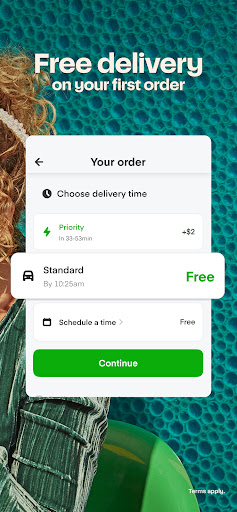
Instacart: Get Food Delivery is built for people who want premium delivery speed, convenience, and predictable costs. It turns grocery shopping into a fast workflow with clear steps and real-time control.
The app supports on-demand grocery delivery that can arrive in as fast as 30 minutes. This makes it attractive to advertisers targeting logistics, marketplaces, and high-frequency consumer spend.
For cost-conscious shoppers, it highlights coupons and deals across local store sales. That also resonates with fintech and payments advertisers that monetize subscriptions, wallets, and promotional offers.
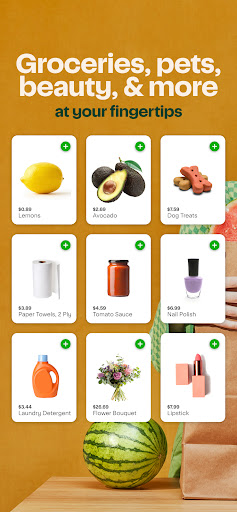
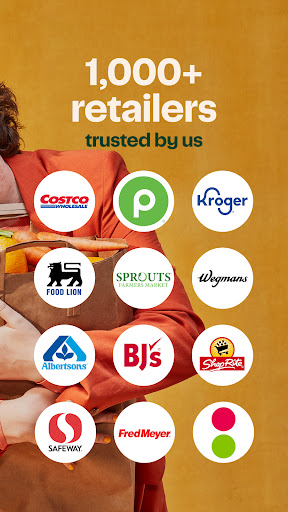
You can browse and shop from many nearby stores, including well-known chains and local supermarkets. For B2B partners, this scale signals strong market coverage and enterprise-grade integration potential.
Contactless delivery options are emphasized for safety. That matters for consumer trust, fraud reduction, and compliance narratives that many high-CPC brands pay to associate with.
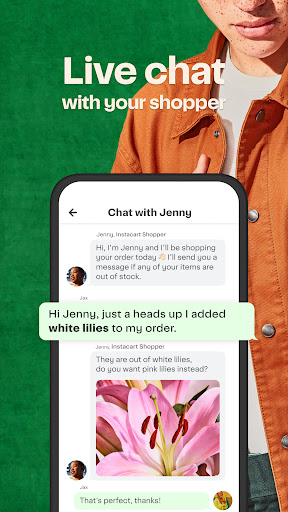
To reduce time waste, the app lets you skip multiple trips to the supermarket. Shoppers can build a cart, place an order, and manage changes through in-app chat.
From a business perspective, Instacart positions itself as a unified grocery technology platform. That creates opportunities for subscriptions, loyalty programs, and recurring payments offerings.
For food discovery and event planning, it supports searching for party items in local inventories. This can appeal to e-commerce, consumer services, and lifestyle brands with higher lifetime value customers.
The landing description also markets fresh food delivery and same-day options across the US. That helps advertisers in SaaS logistics, supply-chain tooling, and merchant platforms.
Instacart+ is mentioned as an additional perk tier. Subscription-related advertisers can connect this concept to retention strategies and subscription billing ecosystems.
Overall, the app’s features are designed to convert intent into completed orders quickly. That execution quality is exactly what high-value advertisers seek in a high-intent channel.
User experiences often revolve around accuracy, speed, and shopper communication. Instacart: Get Food Delivery’s real-time chat support can reduce mistakes and improve satisfaction during order changes.
Many shoppers prefer fast delivery windows because they plan meals around time. When deliveries meet expectations, customers tend to return and increase basket size over time.
Customers also evaluate packaging quality and product condition. Contactless delivery options may feel safer, especially for households with kids or busy schedules.
Ratings frequently reflect consistency across stores. The ability to browse multiple supermarkets can help, but it also creates variation depending on inventory and fulfillment practices.
When coupons apply smoothly, users feel a clear financial win. Promotions matter because they reduce perceived cost and encourage more frequent ordering, which benefits both shoppers and advertisers.
App usability is another recurring theme. A simple flow for zip code entry, browsing, cart building, and checkout can lower friction for first-time users.
Some users compare delivery pricing and pickup options. The mention of skipping delivery fees with store pickup is relevant for people optimizing budgets.
For high-CPC advertisers, consistent user satisfaction supports stable conversion rates. That makes the platform more attractive for payments tools, expense management services, and subscription billing solutions.
Review sentiment also often depends on item substitution policies. Clear communication during substitutions can preserve trust and reduce refunds, increasing merchant revenue.
Because Instacart can connect shoppers to many stores, it can serve both convenience needs and regular weekly habits. That combination supports long-term retention and predictable ad performance.
In short, users tend to reward reliability and convenience. When the app delivers on those promises, it becomes a strong channel for brands selling subscriptions, consumer finance, and household essentials.
Instacart’s latest functions focus on improving discovery, checkout speed, and order accuracy. These enhancements typically help users find products sooner and finish orders with fewer taps.
As grocery technology evolves, updates often strengthen personalization and store inventory matching. Better matching reduces delays and improves the odds that the cart reflects what stores can fulfill.
Updates also support safer, more contactless experiences. That can improve satisfaction while aligning with customer expectations around privacy and delivery handling.
Coupon and deal presentation can be improved in updates as well. Better visibility means shoppers can spot savings faster, increasing conversion for promos and subscription add-ons.
Real-time shopper communication features may also get refined. Faster messaging and clearer change requests can reduce misunderstandings and stabilize customer ratings.
Search and browsing improvements can speed up party shopping or last-minute grocery runs. That is especially useful for high-intent moments where delivery speed matters most.
From an advertiser perspective, these updates can improve attribution and user intent signals. More efficient journeys often support better campaign ROI for fintech, merchant services, and SaaS platforms.
Pickup and delivery fee experiences may be tuned as updates roll out. When costs are transparent and options are clear, shoppers feel confident placing orders.
Instacart also positions itself as a platform that connects users and stores seamlessly. Ongoing updates support that ecosystem by reducing friction for both sides of the marketplace.
In practice, update momentum tends to reflect a push for convenience and reliability. That’s the core driver behind repeat usage and higher lifetime value customers.
To use Instacart: Get Food Delivery smoothly, your device should be able to run the current Instacart app. Meeting device and OS requirements helps ensure fast loading and reliable checkout.
Modern devices generally support stable navigation through store listings, product pages, and the cart. This matters because grocery shopping sessions can include many item searches.
A solid network connection improves delivery tracking and real-time chat reliability. For time-sensitive orders, stable performance can be the difference between success and frustration.
Battery and system storage can affect app responsiveness. Keeping enough storage available helps prevent slowdowns during shopping, checkout, and notifications.
Updates to the app can add features that rely on newer device capabilities. If your device is out of date, you may see slower performance or limited functionality.
For accessibility, compatible devices can support larger text and assistive settings. That improves usability for customers who shop frequently and need comfortable interfaces.
High-value advertisers care about consistency, because fewer errors mean higher conversions. Reliable device performance supports predictable funnel completion.
If you plan to use pickup options, your phone should support scanning and viewing order details. Smooth access helps reduce friction at the store counter.
Overall, meeting device requirements helps you take full advantage of delivery speed, savings browsing, and contactless drop-off flows.
Instacart: Get Food Delivery may request permissions that help with location-based shopping. This enables the app to show nearby grocery stores and delivery options in your zip code.
For real-time order updates, permissions can support receiving notifications. Notifications help users track arrival times and respond quickly to shopper messages.
Camera access may be used for certain tasks like scanning or verification, depending on the device flow. This reduces manual effort during checkout or pickup-related steps.
Contactless delivery relies on safe handling information, and permissions may support relevant delivery functionality. The goal is to help shoppers complete orders smoothly while keeping the process secure.
Some features may require background activity to improve delivery tracking accuracy. That helps ensure that notifications and status changes arrive when expected.
Photo or storage permissions could be requested for app-driven workflows. When used, it typically supports troubleshooting or specific feature experiences tied to customer support.
For payment-adjacent services, the app can integrate with account and verification flows. Users should understand prompts and grant only what is necessary for the chosen feature.
Permission clarity influences trust, and trust influences repeat orders. That is important for high-intent campaigns from payments, subscription, and consumer finance brands.
Before enabling permissions, review device prompts carefully. If your goal is grocery coupons and fast delivery, location and notification permissions are usually most relevant.
As a marketplace, Instacart depends on permissions to deliver the service end-to-end. The better the permissions alignment, the more consistent the experience for shoppers and merchants.





Welcome to AppSparkle - your independent guide to discovering trending and popular apps. Our mission is to provide a user-friendly platform highlighting popular apps available on official stores.
At AppSparkle, we gather and present app information to help you explore options across Google Play and the Apple Store. Our descriptions are based on public sources and aim for accuracy, but we encourage verifying details directly on official store pages.
Important Notice:
AppSparkle is an independent third-party platform. We are not affiliated with, endorsed by, or officially connected to any app developers, brands, Google Play, Apple App Store, or their parent companies. All app names, logos, and trademarks belong to their respective owners.
We strive to make app discovery straightforward. Links provided will direct you to secure download pages on Google Play or the Apple App Store.


