
ADVERTISEMENT
ADVERTISEMENT
Google Classroom streamlines classroom management for education teams, but it also appeals to high-value advertisers focused on SaaS, subscriptions, and productivity tooling. It supports structured learning workflows that feel enterprise-ready.
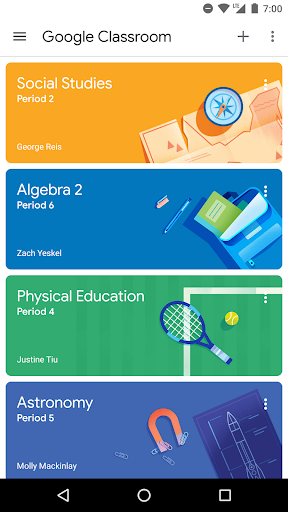
Setup is quick, which matters to districts and vendors rolling out platforms at scale. Teachers can add students directly or share a class code, making onboarding fast across schools.
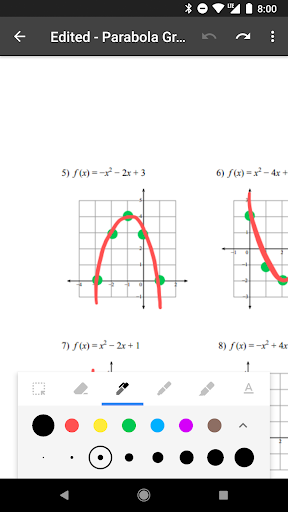
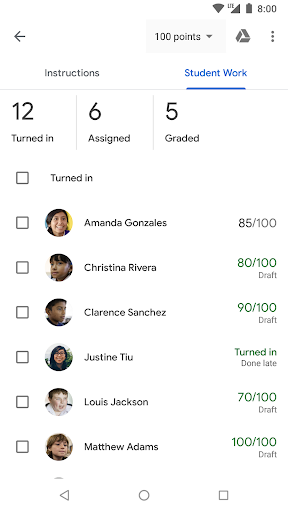
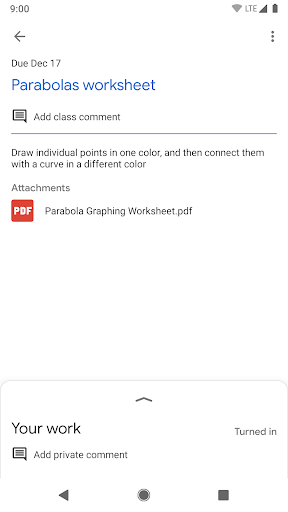
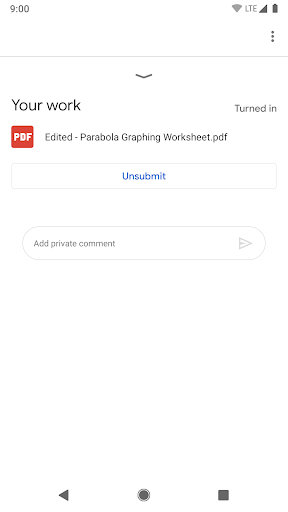
Assignment workflow is paperless, and that reduces operational cost. Instructors can create, review, and mark work in one place, which is attractive for institutions managing large volumes.
Organization improves because materials automatically land in Google Drive folders. Students can view deadlines on an assignments page, supporting compliance-like record keeping and audit readiness.
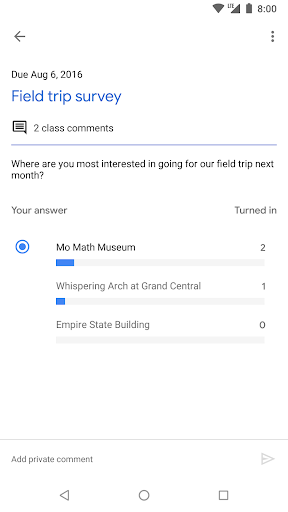
Communication is instant via announcements and discussion streams. Learners can share resources, answer questions, and collaborate, aligning with community-driven retention strategies used by many B2B platforms.
Security is a key differentiator for regulated environments. Like other Google Workspace for Education services, Classroom contains no ads and is designed to avoid using student data for advertising.
For buyers in finance, enterprise services, and compliance-focused organizations, the no-ads approach helps simplify procurement reviews. It also supports institutional trust when onboarding staff and students.
Many reviewers appreciate how Classroom reduces admin overhead. Teachers often mention faster grading cycles and fewer lost files during busy grading periods.
Students frequently highlight the clarity of assignment pages. Seeing tasks in one place helps them keep up without switching between multiple tools.
Administrators tend to value the organization of Drive-backed resources. When everything is filed automatically, it’s easier to locate documents later, improving support operations.
Parents and instructors sometimes mention that communication feels smoother. Announcements and discussion threads reduce missed updates, especially when class changes happen mid-week.
Some users note that offline support can be hit-or-miss depending on device settings. However, when offline mode works, it helps students stay productive during commutes or network drops.
A recurring theme in feedback is reliability. Teachers want platforms that behave consistently across browsers and mobile devices, and Classroom generally delivers a stable experience.
From a procurement perspective, reviewers also like that the app doesn’t feel like an ad-driven product. That matters for institutions evaluating enterprise services and education subscriptions.
Recent updates focus on improving the learning workflow rather than adding distractions. That direction aligns with the expectations of schools adopting productivity ecosystems.
New functionality often emphasizes smoother class creation, better assignment handling, and more convenient sharing. These improvements reduce friction for teachers and help students start faster.
Enhanced communication features can make announcements and discussions feel more responsive. For organizations running multiple classes, this reduces time spent chasing information.
Developers and educators also benefit when stability and performance improve. Fewer glitches during submission or review time helps maintain momentum for grading cycles.
Because Classroom is part of a broader education suite, updates can fit into existing workflows. That makes it easier to roll into district-wide subscription programs.
Overall, the update cadence supports long-term adoption. For teams evaluating education SaaS and enterprise collaboration tools, continuous refinement is a strong signal.
To use Classroom effectively, you need a compatible device with a modern browser or a supported mobile environment. This ensures assignments load correctly and media displays without issues.
Stable internet access is recommended for best performance. For offline support, the device and settings must allow cached content to work when connectivity is limited.
Because Classroom connects to Google services, sign-in availability matters. Users should ensure their device can access Google accounts used by their school or organization.
Storage space is important for attaching media and handling offline files. Devices with limited space may experience slower uploads or limited offline caching.
For classrooms using mixed device fleets, consistent performance can depend on updates to operating systems and the browser. Keeping devices current helps maintain a predictable learning experience.
Camera permission is needed to allow users to take photos or videos and post them to Classroom. This supports real-time sharing for assignments like lab reports or fieldwork reflections.
Storage permission enables attaching photos, videos, and local files. It also supports offline usage by allowing the app to keep relevant files available when the network is unavailable.
Accounts permission is required so the user can choose which account to use in Classroom. In multi-user environments, this helps ensure students and teachers access the correct classes.
These permissions are generally practical for education workflows. Still, institutions often review permissions carefully during onboarding to meet internal security expectations.
For schools considering enterprise services and education subscription platforms, clarity around permissions improves trust. It also helps IT teams communicate how data and device access are used.



Welcome to AppSparkle - your independent guide to discovering trending and popular apps. Our mission is to provide a user-friendly platform highlighting popular apps available on official stores.
At AppSparkle, we gather and present app information to help you explore options across Google Play and the Apple Store. Our descriptions are based on public sources and aim for accuracy, but we encourage verifying details directly on official store pages.
Important Notice:
AppSparkle is an independent third-party platform. We are not affiliated with, endorsed by, or officially connected to any app developers, brands, Google Play, Apple App Store, or their parent companies. All app names, logos, and trademarks belong to their respective owners.
We strive to make app discovery straightforward. Links provided will direct you to secure download pages on Google Play or the Apple App Store.


